Treated Salt vs. Rock Salt: Which Works Better Below −10 °C?
Plain rock salt slows down as temperatures drop. Here’s how treated salt compares on speed, rate and cost, and when the upgrade pays for itself.

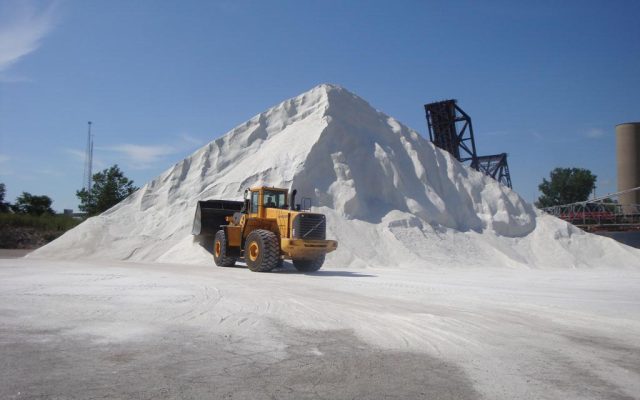
Rock salt is the backbone of most winter maintenance programs. It’s affordable, easy to store and effective in typical Ontario conditions. But when pavement temperatures fall well below freezing, it works more slowly, and that’s where treated salt earns its place.
How rock salt works
Salt needs moisture to form brine, and brine is what actually melts ice. As temperatures drop, rock salt takes longer to start working and more of it scatters or bounces before it ever dissolves.
What makes treated salt different
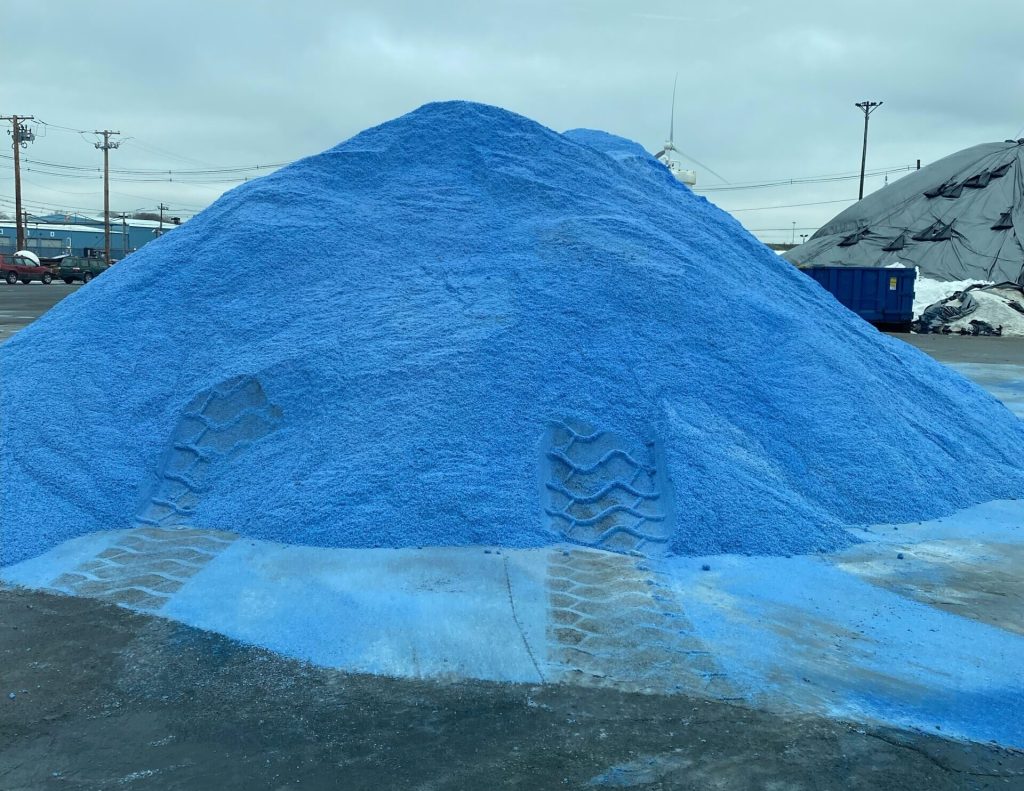
Treated salt is rock salt coated with a liquid such as magnesium chloride, calcium chloride or an agricultural by-product. The coating starts brine formation straight away and helps the salt stay where you spread it.
Side-by-side comparison
| Rock salt | Treated salt | |
|---|---|---|
| Starts working | Slower in deep cold | Almost immediately |
| Effective range | Best above about −10 °C | Colder, depending on treatment |
| Bounce and scatter | Higher | Lower |
| Cost per tonne | Lower | Higher |
| Typical use | General lots and roads | Cold snaps, high-risk areas |
We keep rock salt for most of the season and switch our entrances and ramps to treated salt when the forecast drops below minus ten.
Site supervisor, commercial property portfolio
When the upgrade pays off
- Sites with steep ramps, loading docks or heavy foot traffic.
- Contracts with tight bare-pavement targets.
- Regions that regularly see long cold snaps.
Because treated salt is often applied at a lower rate, the difference in cost per application is usually smaller than the price per tonne suggests.