Ice Melt Tips for Sidewalks, Ramps and Entrances
Pedestrian areas need a different approach from parking lots. How to pick an ice melter, how much to use, and how to keep it out of the building.


Sidewalks and entrances are where slip-and-fall claims happen. They also sit right next to flooring, landscaping and pets, so choosing and applying the right ice melter matters.
Choose the right melter
| Product type | Works down to (approx.) | Best for |
|---|---|---|
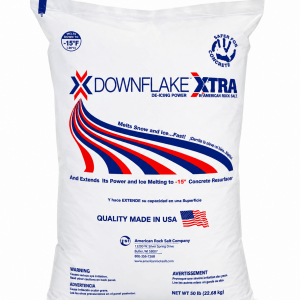
| Sodium chloride blend | −9 °C | General walkways |
| Calcium chloride | −29 °C | Extreme cold, fast action |
| Magnesium chloride | −23 °C | Concrete-friendlier option |
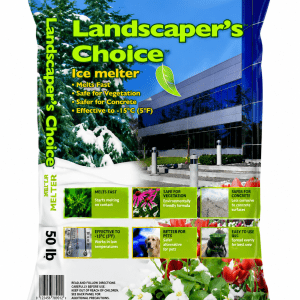
| Pet-friendly blends | Varies | Residential and retail entrances |
Use less, more often
A thin, even layer applied before a storm (anti-icing) stops ice bonding and uses far less product than trying to melt thick ice afterwards.
Hand spreaders beat scoops
Walk-behind or handheld spreaders put down a consistent rate. Scooping by hand almost always over-applies.
Keep it outside
- Put scraper mats and absorbent mats at every entrance.
- Sweep up excess product once the surface is clear.
- Talk to cleaning staff about neutralising salt residue on floors.